


Our regular schedules can feel like distinct sections, but every so often an surprising connection emerges. Think about the simple dental cleaning break. It’s a required halt for mouth hygiene, a piece of personal care extracted from screen time. That notion of a refreshing pause has a counterpart in games like Jackpot Bells Slot, which deliver a distinct kind of mental intermission. We aren’t claiming that dental care and slot games are literally connected. Rather, we’re looking at how organized rests, for health or for entertainment, each contribute to our general wellness. Both notions values the importance of a deliberate pause, a time to reset before diving back into the primary activity with sharper focus and a clearer head.
Exploring Jackpot Bells Slot System
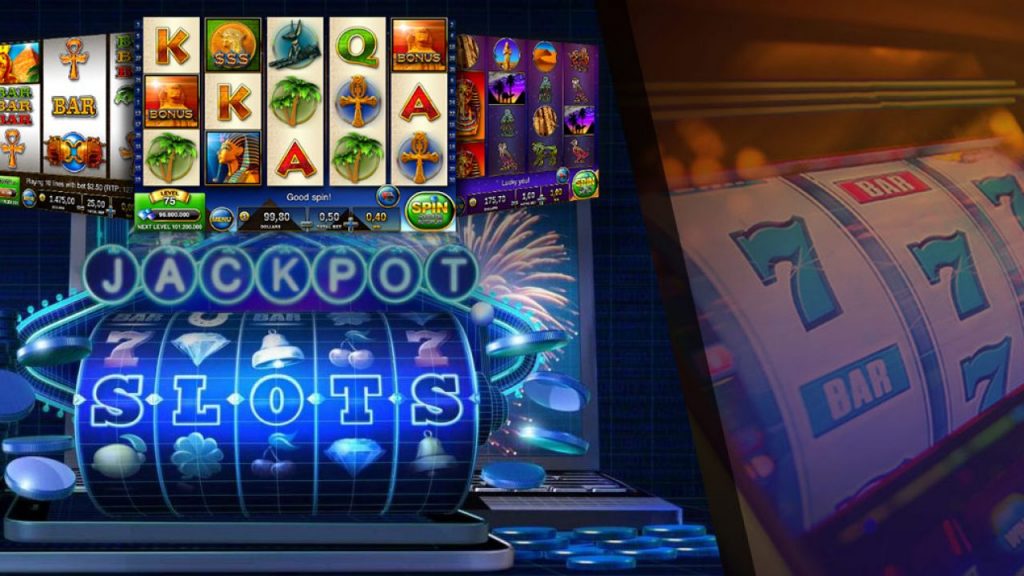
Jackpot Bells Slot is based on the classic, traditional slot machine feel, the kind featuring the iconic bells, sevens, and bars. This familiarity is a huge part of its charm. The game usually sports a straightforward layout, most often three reels, a nod to the original mechanical machines. This simplicity is intentional. It offers gameplay that’s quick and easy to grasp, without the complicated bonus rounds or dense storylines of some modern video slots. The goal stays simple: line up matching symbols across the paylines to achieve a win, with the classic bell symbols typically awarding the most.
Even though it’s grounded in tradition, Jackpot Bells Slot generally includes trustworthy modern slot mechanics to round out the experience https://jackpotbells.net/. You’ll find standard features like wild symbols, which can substitute for others to finish a winning combination, and multiplier effects that can boost your payout. The “jackpot” part of the name normally indicates a top-tier prize, which could be a fixed top award or a special bonus feature. The game’s feedback—the sound of the spin, the clatter of coins, the ring of aligning bells—is designed to provide a crisp, rewarding sensory punch. This mix of classic appeal and polished modern execution makes it a solid choice for players seeking a nostalgic but smooth gaming session.
The way Leisure Gaming Becomes part of a Balanced Routine
Integrating leisure activities like gaming into a healthy life depends on perspective and moderation. We don’t usually think of watching a 20-minute TV episode or reading a book chapter as inherently disruptive. A short, planned gaming session can be a legitimate form of digital downtime in the same way. The crucial part is to view it as a conscious break activity, not a default way to waste time. When you proactively decide, “I’ll take 15 minutes now to enjoy a few spins,” you retain control. This prevents the passive, endless scrolling that leaves you feeling more tired, and it transforms gaming into a deliberate tool for mental disengagement.
For this approach to work, you need to establish clear parameters before you begin. Determine a time limit or a spending limit (if you’re playing with real money) and stick to it as strictly as you’d end a coffee break. The activity should feel contained and separate from your work or chores. A game like Jackpot Bells Slot, with its clear, round-based structure, naturally facilitates this. Every spin is its own little event, making it simpler to stop after a predetermined number. When the timer sounds, you shut the game and move on. This habit cultivates self-discipline and makes sure your leisure time actually revitalizes you, without eating into other important parts of your life.
Setting Boundaries for Healthy Play
Establishing clear limits is the absolute bedrock of healthy leisure gaming. Start with time management. Use your phone’s alarm or a kitchen timer to define the limits of your break. Financial boundaries are just as critical if real stakes are involved. This means setting a loss limit in advance—an amount that won’t touch your vital payments—and considering any spent money as a direct leisure cost, like buying a cinema ticket. It’s also wise to avoid gaming when you feel emotionally fragile, overly tired, or as a primary coping strategy, since this can impair your decision-making. Gaming in a shared household space rather than a secluded space can create built-in accountability and stop immersion from tipping into excess.
A further strong boundary is to establish a routine for session beginnings and endings. Perhaps you only game after completing a particular task, or you always brew a cup of tea to have with your game. The closing ritual matters more: physically stand up, stretch, drink some water, and actively remind yourself the session is done. This behavioral cue tells your brain that the context has shifted back. Tools from responsible gaming platforms, like deposit limits, session reminders, and self-exclusion options, are also powerful tools. Employing these tools isn’t a sign of weakness. It’s a preventive approach, similar to using an app to limit social media use, making sure your pastime remains a positive part of your life.
The practice of dental hygiene and the bigger insights
The daily ritual of cleaning your teeth is a subtle form of preventative care. We do it not for a visible outcome every single time, but because we understand the steady, mounting wear that comes from skipping it. This habit is founded on discipline, steadiness, and a dedication to tomorrow’s wellness over present convenience. It’s a essential part of the day, often integrated into other habits like morning preparations or winding down at night. Having this integration is what makes it successful. It becomes habitual, demanding very little mental effort. The lesson is that the most impactful self-care habits are the ones we structure until they’re as routine as handwashing.
We can apply this structured approach to other parts of life, including how we handle our inner focus and leisure time. Just as we book dental cleanings every six months, we can arrange regular digital detoxes or weekly family play sessions. The framework removes the vagueness that leads to either neglect or overindulgence. Also, a dentist doesn’t merely clean your teeth. They provide a review, an impartial assessment of your practices. We can run a similar personal review on our recreational patterns: Are my pauses genuinely restorative? Am I following the restrictions I define? This periodic review, coupled with a consistent practice, helps ensure both our physical health and our leisure activities are kept in good, sustainable shape.
Designing Your Own Successful Daily Pause Strategy
Crafting a personal pause strategy starts with watching yourself. Track your energy and focus over a few days. Do you crash mid-morning? Does your attention wander after lunch? These natural dips are perfect spots for a structured break. Schedule short pauses (5-10 minutes) every 60-90 minutes and a longer break (15-30 minutes) in the middle of your main work period. What you do on the break should be deliberately different from your work. If you work on a computer, your break should ideally be screen-free, or at least involve a completely different screen activity. Physical movement, even just standing up and stretching, is almost always a good idea to reduce the effects of sitting all day.

After that, put together a “break menu” of activities you actually like and that fit different time slots. A 5-minute menu could include deep breathing, making a fresh cup of coffee, or just looking out the window. A 15-minute menu might have a brisk walk, a short guided meditation, or a leisure gaming session with a timer already set. Write this menu down and keep it where you can see it. The mental fatigue of choosing a break activity can ruin the whole point. With a go-to list, you slip right into refreshment mode. Guard these scheduled pauses like you would a meeting with a colleague. Protect the time, and you’ll likely see your overall productivity and mood get better, because you’re working with your body’s natural rhythm instead of fighting it.
The value of Scheduled Breaks for Psychological Focus
Human brains buckle under endless, monofocused pressure. We plan meetings and deadlines, so we should also schedule purposeful breaks to keep our thinking clear and avoid burnout. A dental appointment forces this pause, pulling us away from our desks and the daily grind. This required interruption possesses more value than we typically recognize. It draws a psychological line in the sand, separating one mode of operation from the next. While we’re on break, our subconscious persists with problems, which is why we sometimes have a sudden insight when we return. Integrating regular, shorter breaks into your workday uses the same logic, bolstering concentration and creativity over many hours.
What you do on your break makes all the difference. A break that actually restores you needs a full context switch. Move your body. Change your mental channel completely. Scrolling through social media on the same laptop you work on won’t suffice. A physical activity, a walk around the block, some mindful breathing, or a different, engaging visual task like a quick game can effectively reset your brain. This is the space where leisure activities, such as playing a slot game for a set few minutes, can act as a mental reset. Intentionality is everything: set a timer, commit to the break activity, and then cleanly step back to your main task. It’s not so different from leaving the dentist’s chair and continuing with your day.
Behind the Spinning Recognizing the Benefit in Simple Distractions
A straightforward, engaging distraction like a classic slot game holds value because it can lead you into a condition of light, concentrated flow. This is a psychological space where you’re fully absorbed in an task with a specific aim, sensing a feeling of vibrant attention. For a little time, it pushes out work concerns and cognitive checklists. The spinning reels, the anticipation, and the obvious conclusion (win or lose) generate a small, independent story that seizes your interest. This full, if short, absorption is what allows your brain to recharge from its core responsibilities. The straightforwardness is the key. It demands no complex learning or deep emotional investment, rendering it a valuable instrument for a cognitive refresh.
But the true lesson reaches much further any individual activity. It’s about acknowledging the necessity for, and giving yourself, these innocent diversions without a touch of remorse. Modern culture usually will celebrate constant busyness, branding any non-productive time as wasted. This attitude has the opposite effect. Just as sleep is vital for bodily restoration, these psychological rests are essential for mental restoration. Whether your chosen distraction is a crossword puzzle, doodling for a short time, hearing a preferred tune, or trying a quick game, its purpose is to force a mental change. Embracing this can lead to a more sustainable, delightful, and in the end more productive daily pattern, where tasks and recovery establish a sound, mindful balance.
The connection between a dental cleaning break and a game like Jackpot Bells Slot operates as a metaphor for aware personal control. Both underscore the indisputable worth of scheduled pauses, whether they’re compulsory for well-being or picked for recreation. The central concepts apply everywhere: deliberateness, distinct edges, and a commitment to persevering. When we apply the systematic approach of oral care to our broader habits, and when we permit ourselves guilt-free, bounded periods of easy pastime, we construct a daily existence that’s more robust and balanced. It’s about working smarter, and recognizing that true wellness is founded on a mix of attentive maintenance and real relaxation.
